ARTICLES


FIELD REPORTS


This Page has been accessed
Hit Counter


Updated Thursday 7th May 2009


AERIAL SHOTS GROUND SHOTS DIAGRAMS FIELD REPORTS COMMENTS ARTICLES

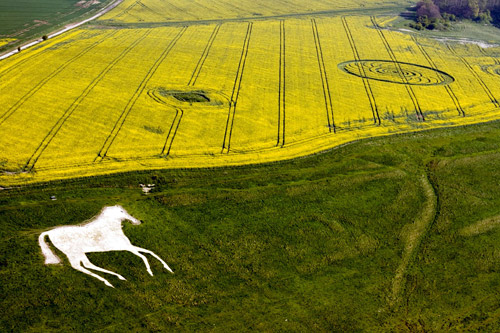
Image Olivier Morel - WCCSG  Copyright 2009


REPORT

Roundway Hill, Near Devizes, Wiltshire.

Reported April 29 2009.

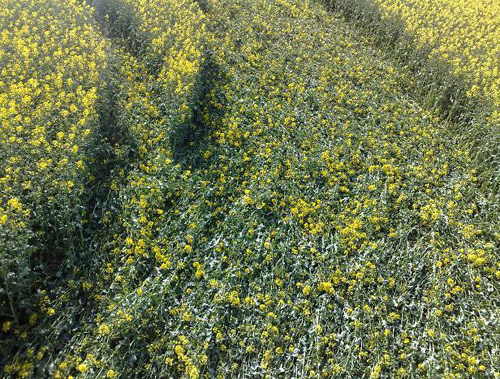
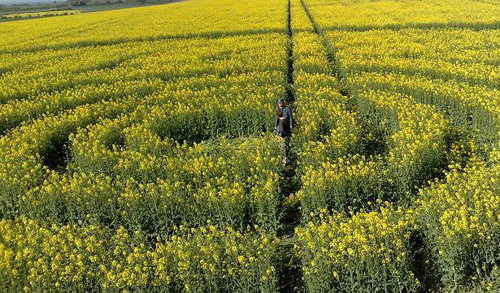
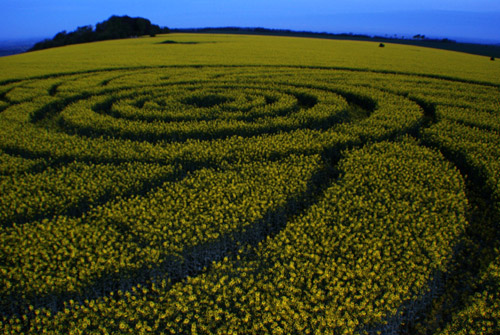
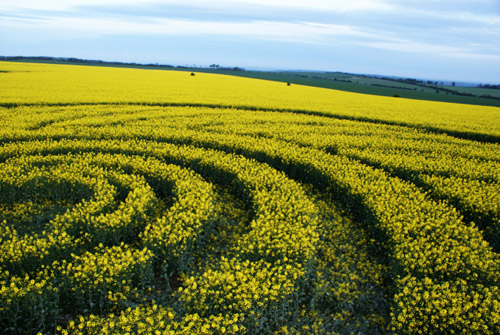
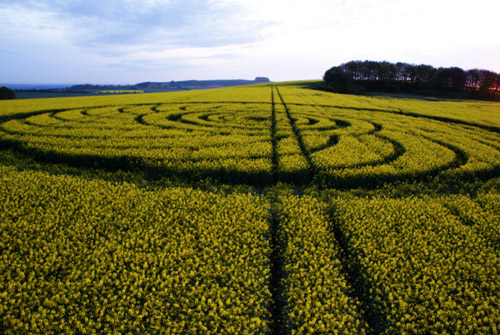
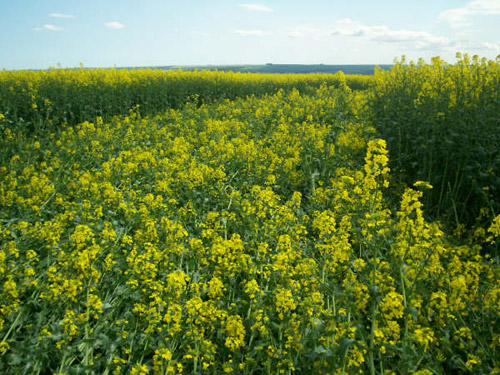
This formation was first discovered from the air in the morning of April 29 2009.  The entire formation spans across 230 feet of Oil-Seed-Rape (Canola). The central circle measures 15 feet in diameter. The central circle was very messy and well mashed up by late afternoon on day one. The remainder of the laid crop areas was springy and largely undamaged.

Report by Charles R Mallett.

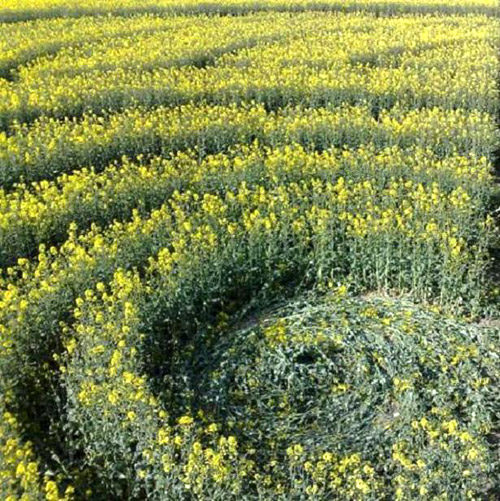
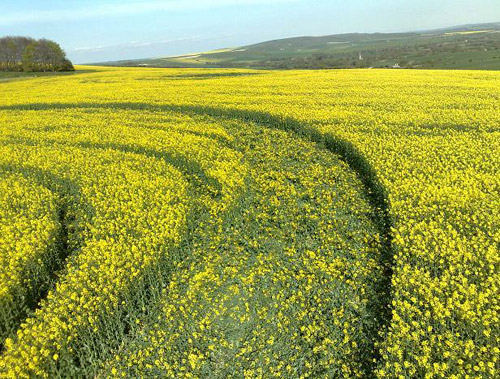
Ground Shots Charles R Mallett (C) 2009


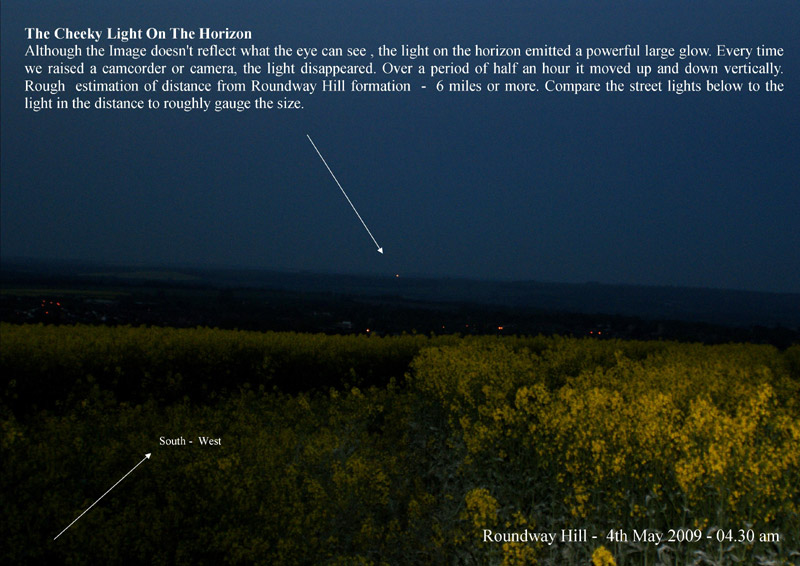
The Mystery Light On The Horizon - View point Roundway Hill 4th of May 2009

It was approx 04:00 ( am) when we arrived at Roundway Hill. Our choice of visiting this formation at such hour of the day was purely to capture the ambience of day break and the rising sun while standing in a crop circle formation. One can say there is something magical about the experience.

As we entered the formation at 04:30am a bright light on the distant horizon caught our attention. The surprise gave us little chance to get our cameras into action. This light ascended then descended - repeated this process twice at first. At the lights highest point the brightness of the light was intense and very visible ( Please see image for comparison ). Personally I'm not aware of any helicopter or plane that can produce such intensity which was clearly visible 6 miles away. We waited for a few minutes more but the light did not appear again so we started to take photos of the crop circle. After 10 minutes or so the light appeared again - but unfortunately by the time my friend managed to press record the light disappeared, but I managed to take a shot as the light was fading. The light moved in a vertical manner only. Our compass showed the position of the light as South - West - the new formation at Clatford would be North - East. We decided later  to head South West in hope of possibly spotting a new formation. We drove for miles looking at every field but the search was futile as spotting a formation in Canola from a roadside is almost impossible. Little did we know that at one stage of our travels we drove past Clatford ..... After examing a map in detail we made a conclusion that the light in question descended in the vicinity of Salisbury Plain in the area known as Black Heath. The landscape indicates to be barren for a good few square miles. Although the Image does not reflect what the eye can see, I always ask everyone to keep an open mind and make your own assessments of what you see. Was this light responsible for the Clanford formation ? . Well that's another question!

Andrew Pyrka ( Cheltenham ) 


Click on Thumbnails to enlarge

Images Andrew Pyrka Copyright 2009


Earlier today, (1st May) I went up to The Roundway Formation, entering from the tramline nearest the big clump of trees. I thought the inconsistencies of the crop interesting, and as follows:~

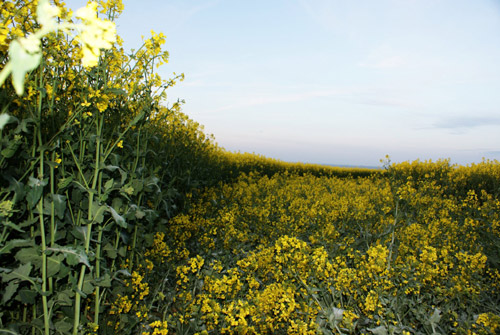
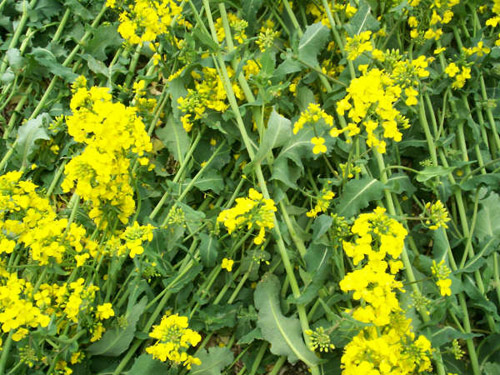
The large flattened outer circle, which is clockwise appears quite soiled in parts,  (more likely due to weather than foot traffic, as the stems have started to rise upwards again.) As I walked around, I noticed a slight variance in the width, it seems to ‘snake’ in + out at regular intervals, not related to where the ‘flares’ of the formation enter the outer circle.

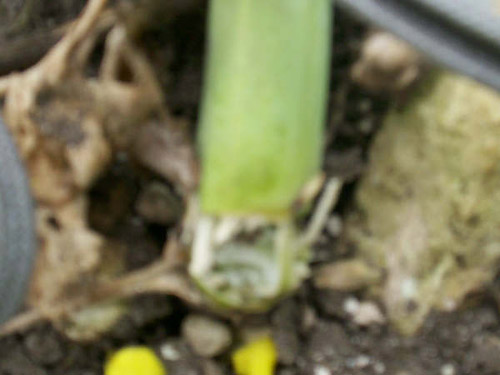
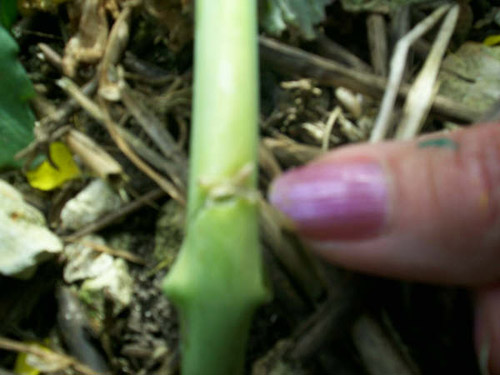
The ‘flares’ join the outer circle with some pretty neat weaving. All of the stems I examined still have the dusty bloom, however, I did find a few rows of crop that are up rooted, or broken at the base, with chip marks in them.

Working inwards, all the rings are clockwise. With the larger of the flattened inner circle
(No 5) is very flattened and muddy,
No 4 is flattened and clean, no weathering or foot damage…
No 3, is slightly raised and muddy, apparently weathered…
No 2 is flattened and clean
No 1 is proper flattened and very muddy, consistent with a small number of visitors.

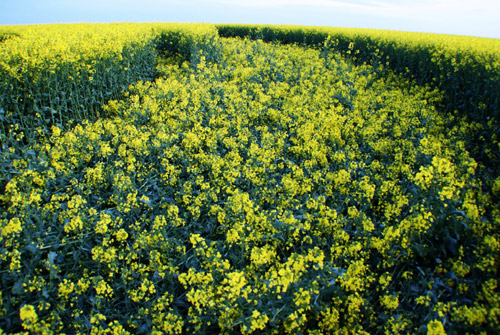
Squashed and mashed is how I describe the crop within in the centre.

The clockwise centrepiece is larger, twisted and bent, also some breakages, (which appear fresher than the breakages within the outer circle) is reminiscent of the centre pieces at West Kennet, and again is off centre, being only approx 2ft from the West and approx 2ft from the North points, whilst being approx 4feet from the East, and 4feet from the South.

Overall the formation has the appearance of few visitors, yet is rather battered in places.

As Saturn is in our night sky at present, This glyph brings to mind, images of Spinning Saturn, the gas giant, which is the 6th planet from our sun (6 rings in total), has 6 named rings A~F, with dust ‘spokes’ emissions.

JIC


AERIAL SHOTS GROUND SHOTS DIAGRAMS FIELD REPORTS COMMENTS ARTICLES

BACK

  
Mark Fussell & Stuart Dike