|
|
|
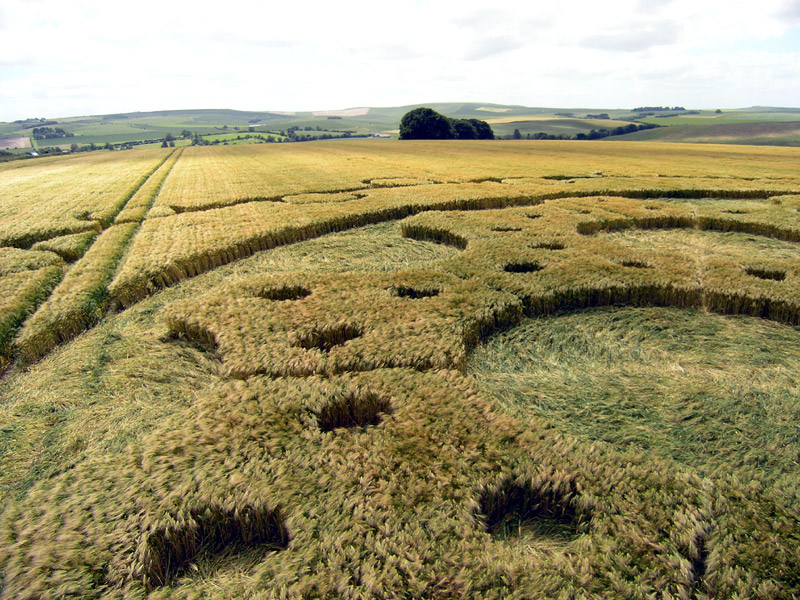
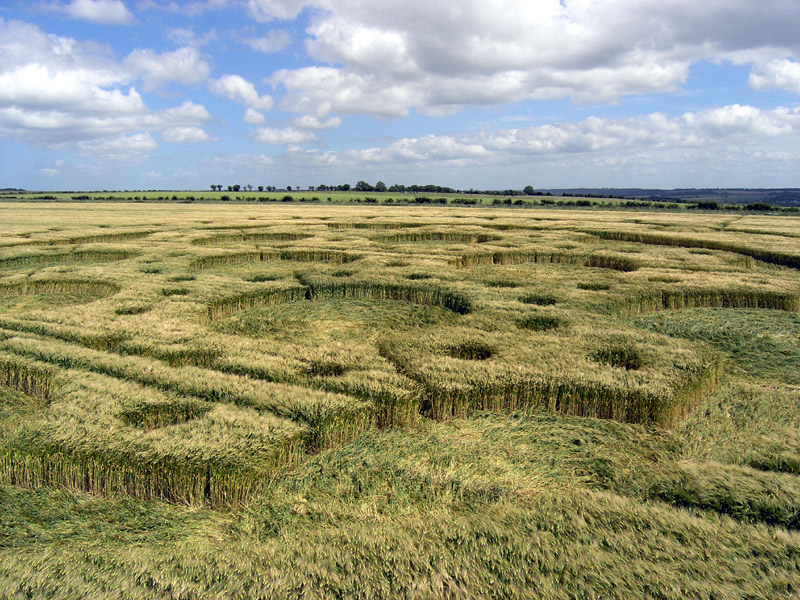
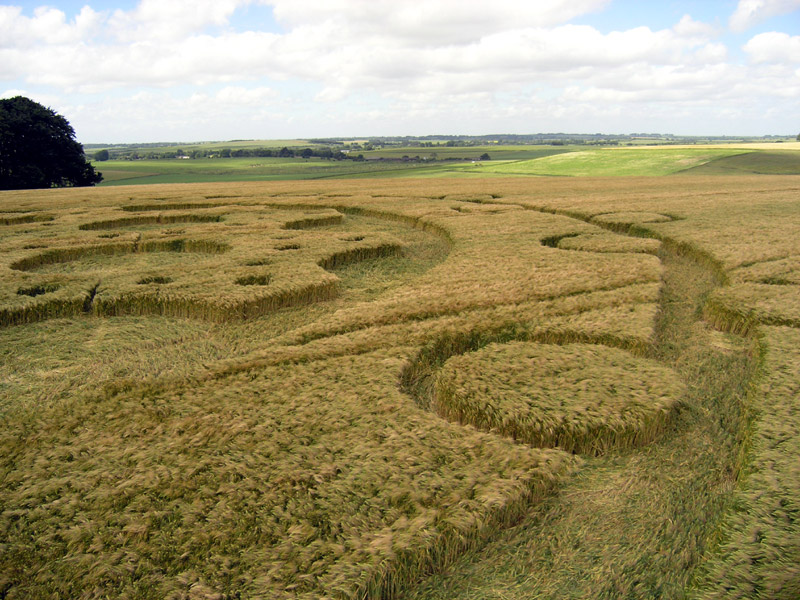
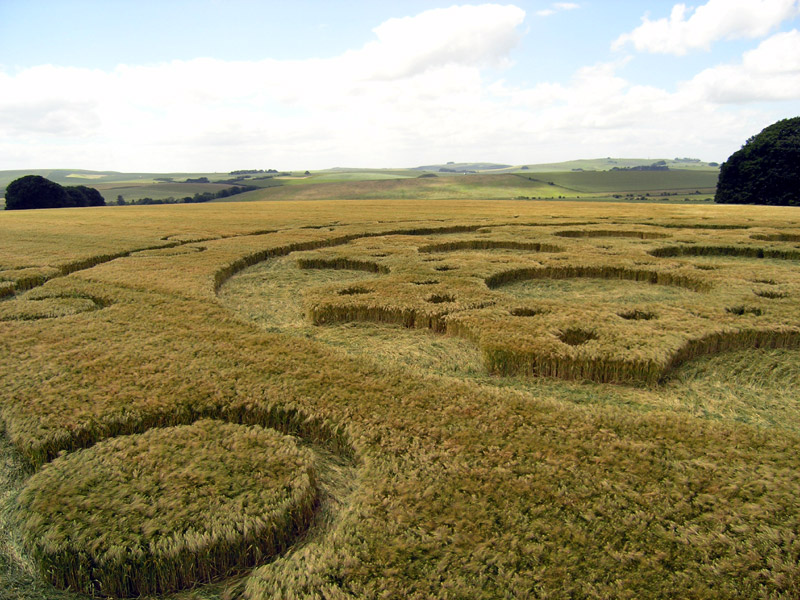
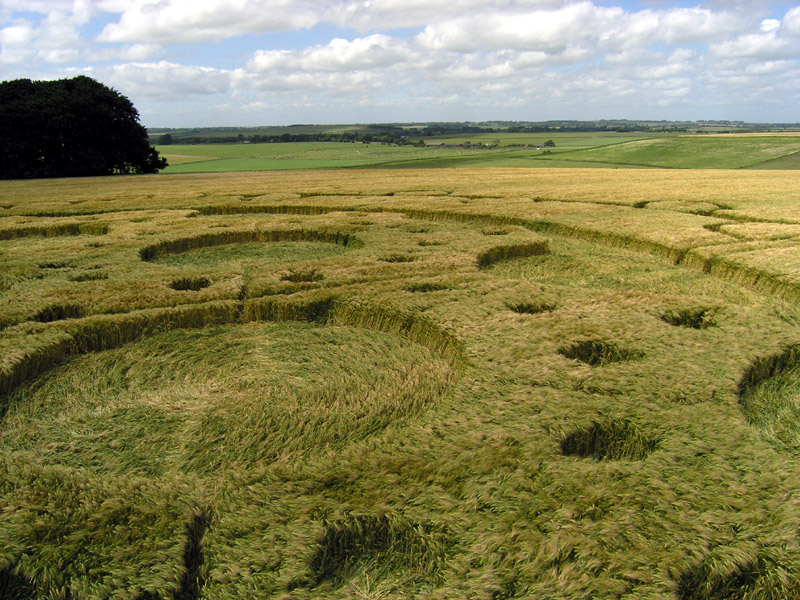
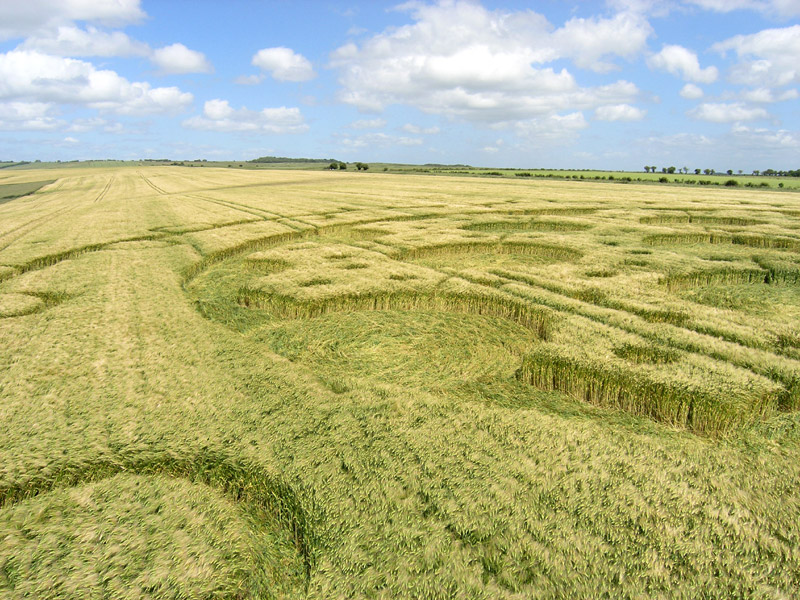
The Ridgeway, nr Avebury, Wiltshire. Reported 15th June.
Map Ref: Click
Updated Monday 30th November
2009 |
|
| AERIAL SHOTS |
GROUND SHOTS |
DIAGRAMS |
FIELD REPORTS |
ARTICLES |
Images John Montgomery Copyright 2008

Images
Nick Nicholson Copyright 2008
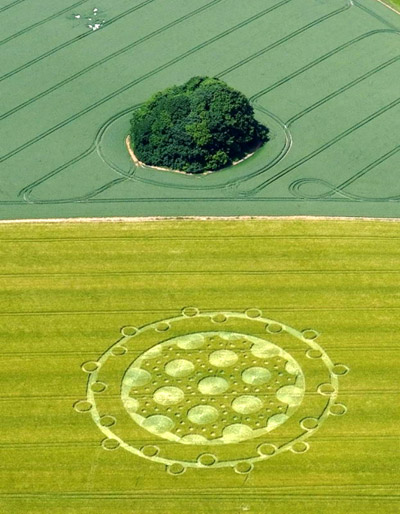
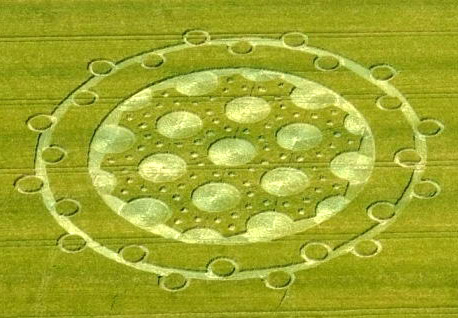
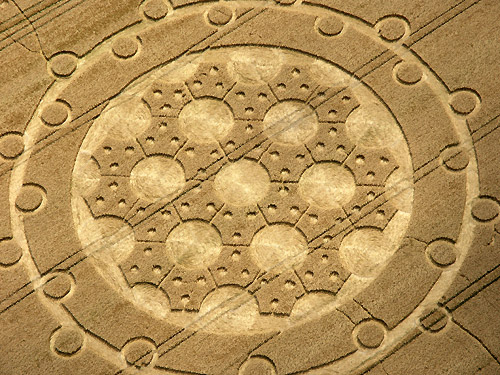
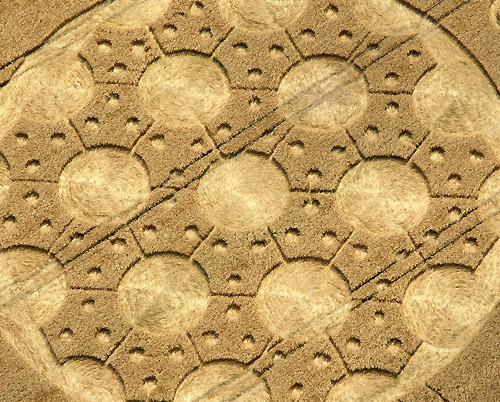
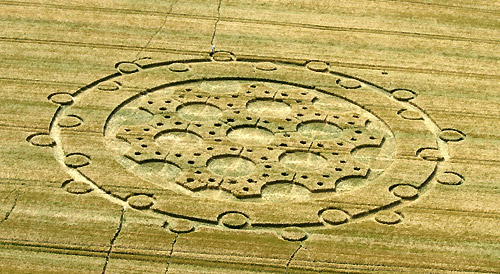
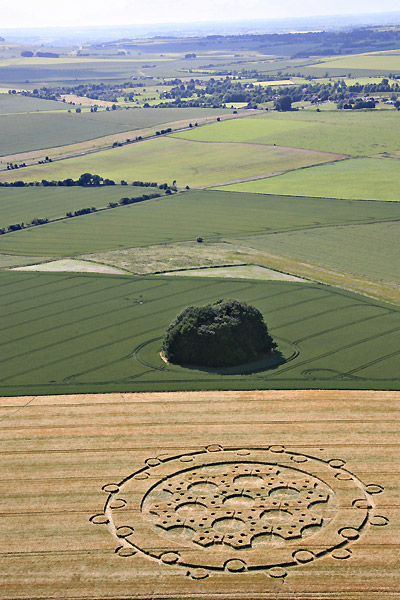
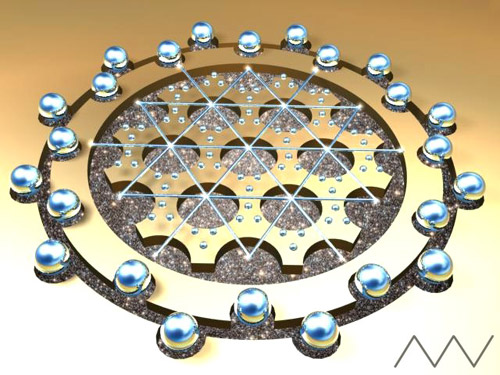
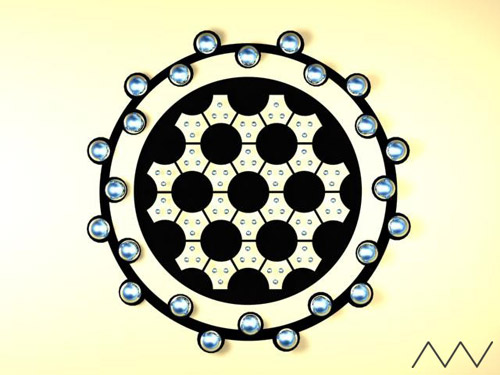
"The Gasket"
Images Philippe Ullens Copyright 2008
THE HENGE SHOP
Click on thumbnails to enlarge
Image Stuart Dike
Copyright 2008
|
After an absence
of some nine years, the Circlemakers have provided another
kabblistic gift for all of us to share, and indeed a rather personal
event for myself.
The last event
connected to judiasm appeared in 1999 at Barbury Castle, nr
Wroughton which included the entire Kabbalah or 'Tree of Life'
design.
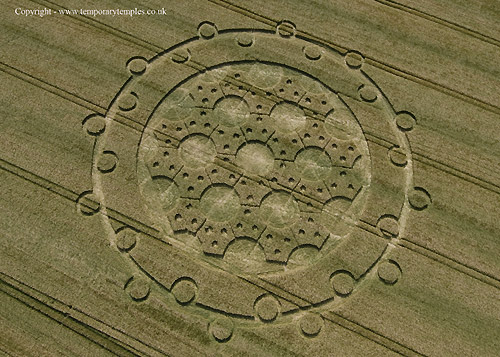
From the central
element of the 2008 event we can clearly view the Jewish Kabballah,
which literally means “receiving”
What a befitting
symbolism, for we have certainly received another masterpiece in the
landscape. This latest event is a little more subtle in its meaning
than its 1999 counterpart, as the tree itself can be witnessed
although slightly hidden from view due to the perimeter design.
What is intriguing
about this design is the part of the tree which is partially hidden.
The outer perimeter rings attached to the design, could represent
the 12 signs of the Zodiac, which are part of the Rosy Cross of The
Golden Dawn. However as the tree repeats itself within the central
part of the formation, it demonstrates that four degrees are always
partially hidden.
Within the Hermetic Order of the Golden Dawn there are 10 degrees
based on the ten degrees of the Sephiroth from the Qabalah (Kabbalah).
The main emphasis and motive of passing through the degrees was to
develop the personality through the higher self, and achieve god
like status by identifying with universal energies and archetypes.
The Malkuth which is the 10th degree is at the base of the Tree of
Life, with the 1st and 2nd and 3rd degrees also partly hidden from
view. These are the Keter (Will) Chochmah (wisdom) and Binah
(understanding)
Interesting that all of these aspects of humanity have to improve
if indeed we are to understand our place in the universe.
Stuart Dike |

Copyright -
www.temporarytemples.co.uk 2008

Images
Lucy
Pringle Copyright 2008
Images
AJ Samuels Copyright 2008


Images
Janet Ossebaard Copyright 2008
The science of solar eclipses:
total or annular eclipses were shown schematically at North Down
on June 10 or Ridgeway on June 15, in relation to an
astronomical Saros cycle that lasts for 18 years and 11 days
How might this work? Well, the synodic cycle of our Moon lasts
for 29.53059 days, and describes different phases such as new,
crescent or full. Meanwhile, the draconic cycle of our
Moon lasts for 27.21222 days, and describes when it passes
through an imaginary plane defined by Earth and Sun. When those
two cycles coincide, we can see an eclipse!
It turns out that synodic cycle
multiplied by 223 months equals precisely the draconic cycle
multiplied by 242 months. In other words (29.53059 x 223) =
6585.32 days, while (27.21222 x 242) = 6585.36 days. The whole
number 6585
equals 18 years and 11 days, but we still have
one-third of a day left over. That is because both
calculated values end in decimal fractions of 0.32 or
0.36, which lie close to 0.33 or one-third (see
http://eclipse.gsfc.nasa.gov/SEsaros/SEsaros.html).
Thus from a theoretical perspective, one might expect to see the
same kind of solar eclipse once every 18 years and 11 days. Yet
each successive eclipse should be located one-third of a day (or
120 degrees of longitude) further around the Earth than its
predecessor. That seems to be what those crop artists were
trying to teach us at North Down on June 10, 2008:
There we can see planet Earth
looking down from the North Pole, as shown previously at West
Kennett Longbarrow on June 9 (Click
HERE ). The geographical locations of three successive
eclipses within any 18-year Saros cycle have been labelled as
"t1, t2, t3" or as "a1,
a2, a3". Those three symbols
"t" represent total solar eclipses, where all light
from our Sun is blocked completely by the Moon (upper
right). Those three symbols "a" represent annular solar
eclipses, where only some of the light from our Sun is blocked
by the Moon, leaving a bright ring or annulus (lower right).
In each case, any successive
eclipse from an 18-year Saros cycle (say "t2" versus "t1", or
"a2" versus "a1") lies one-third of the way around the world
from its predecessor.
A fairly similar crop picture appeared five days later at
Ridgeway on June 15, 2008:
On
the left above, we can see how total versus annular solar
eclipses are produced: the Moon in one case lies closer to Earth
than in the other, thereby producing a broader shadow. On the
right above, we can see two outer rings of small balls that tell
how far the Moon lies from the Earth for any kind of solar
eclipse. A somewhat distant ring is shown for "annular", while a
somewhat close ring is shown for "total".
Next, at the centre of that same crop picture, we can see six
large circles which were clearly meant to represent six
successive Saros cycles: three for total, and three for annular
(see North Down above). Each large circle has been surrounded by
18 small dots to symbolize "18 years".
North Down and Ridgeway were the latest in a series of
eight crop pictures from April to mid-June of 2008 to
describe various aspects of eclipse science, in apparent
anticipation of a total solar eclipse on August 1, 2008. The
others appeared at Riesi (Italy) on April 20, Hackpen Hill on
May 24, West Kennett on June 6, West Kennett Longbarrow on June
9, Lizzano (Italy) on June 12, or Uffington on June 13. The sum
total of those many different crop pictures seems very
impressive indeed, and far beyond the intellectual or
technological capabilities of any hypothetical human fakers to
produce.
Red Collie
|

http://www.kornkreise-forschung.de

Diagram
Tommy Borms
Copyright 2008
Click on Thumbnails to enlarge
Images Michael Murray Copyright 2008
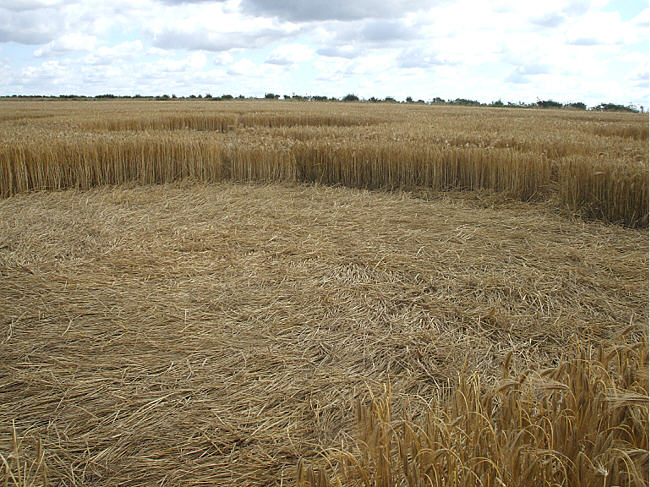
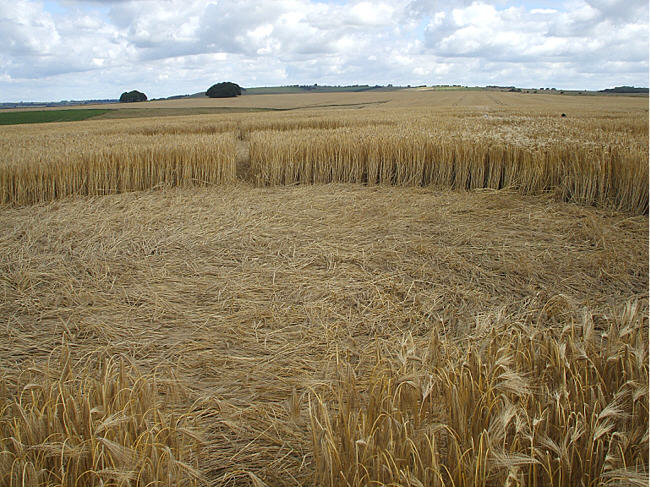
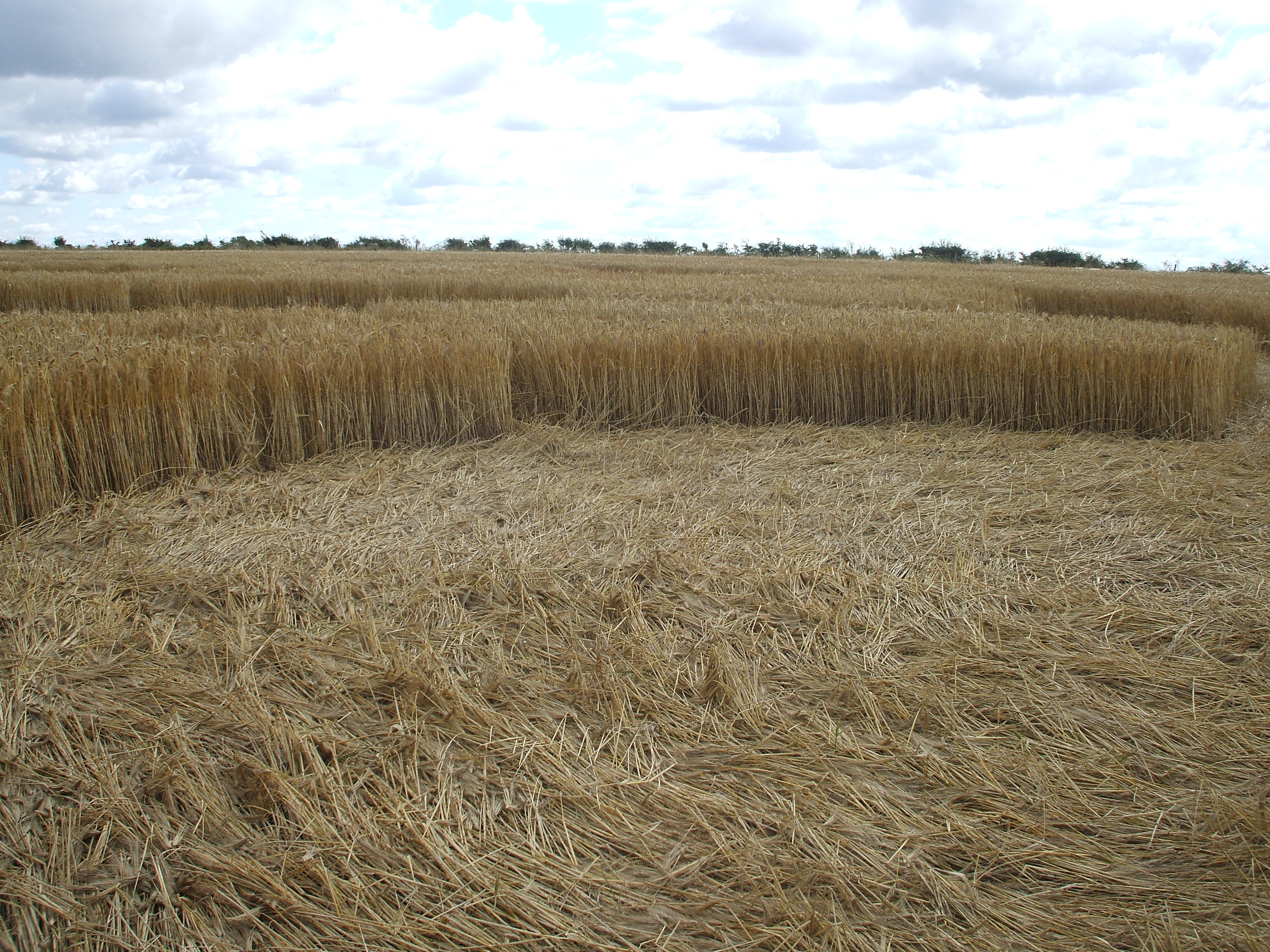
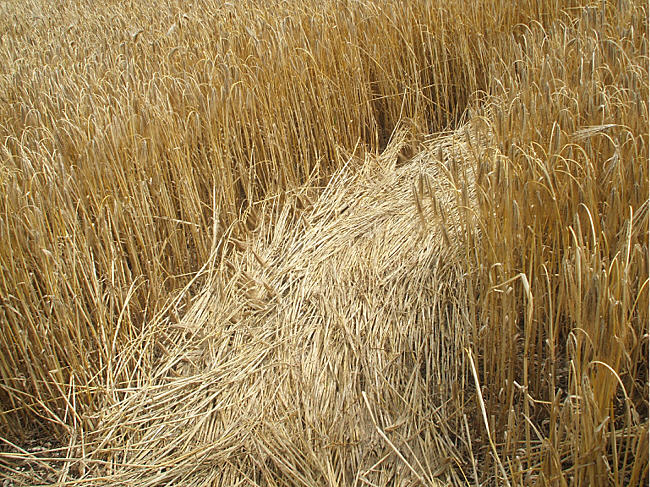
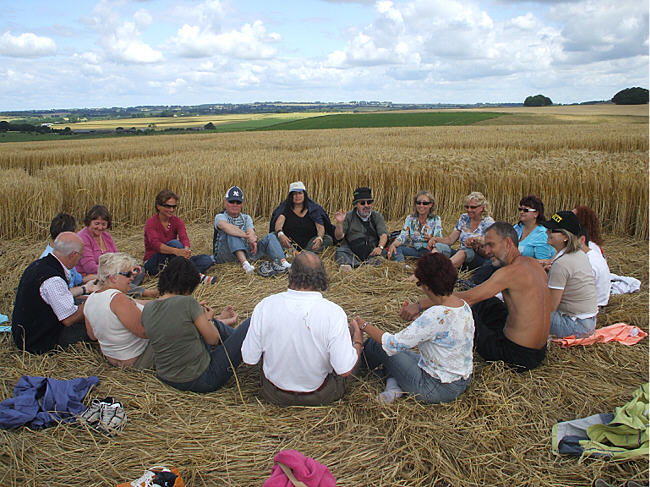
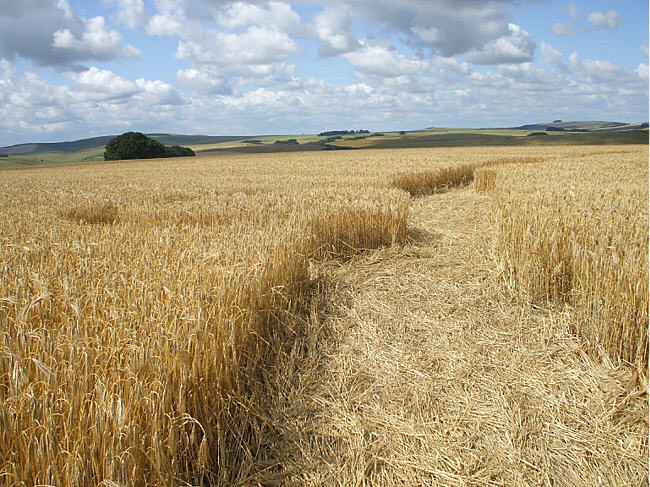
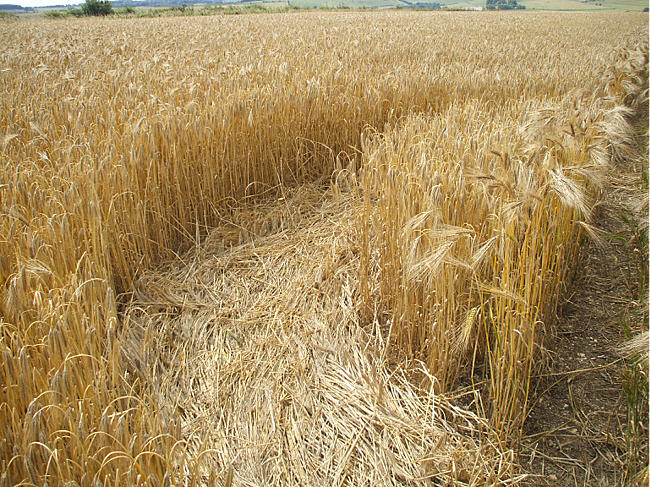
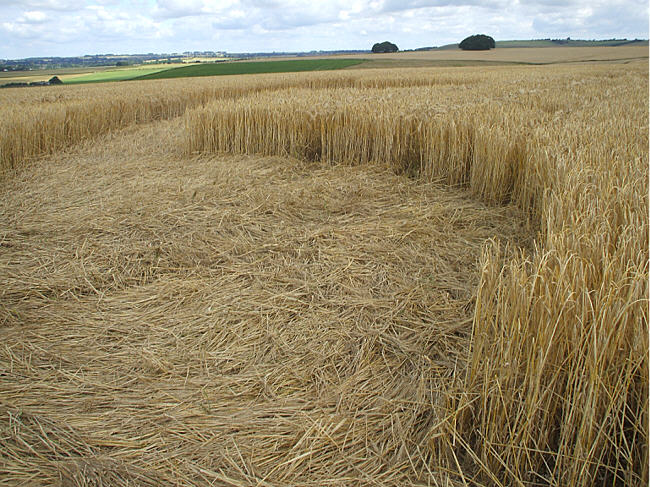
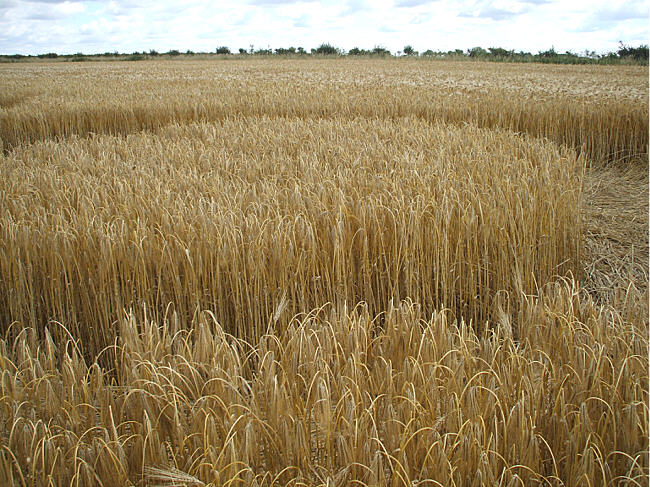
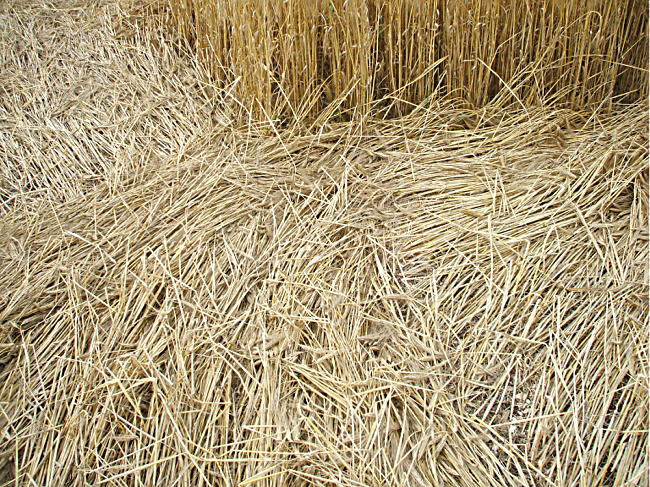
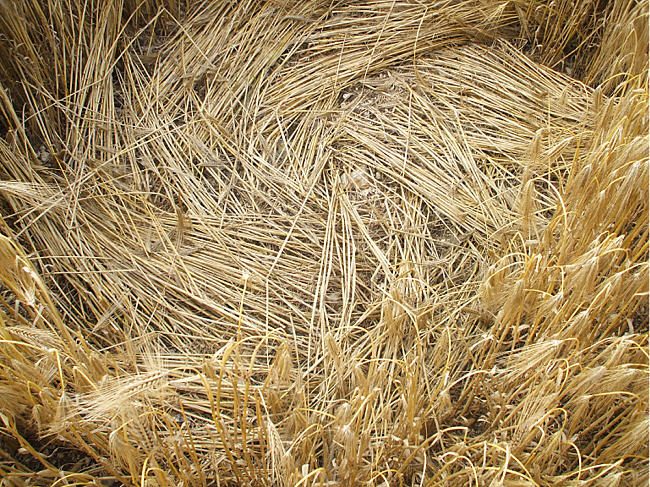
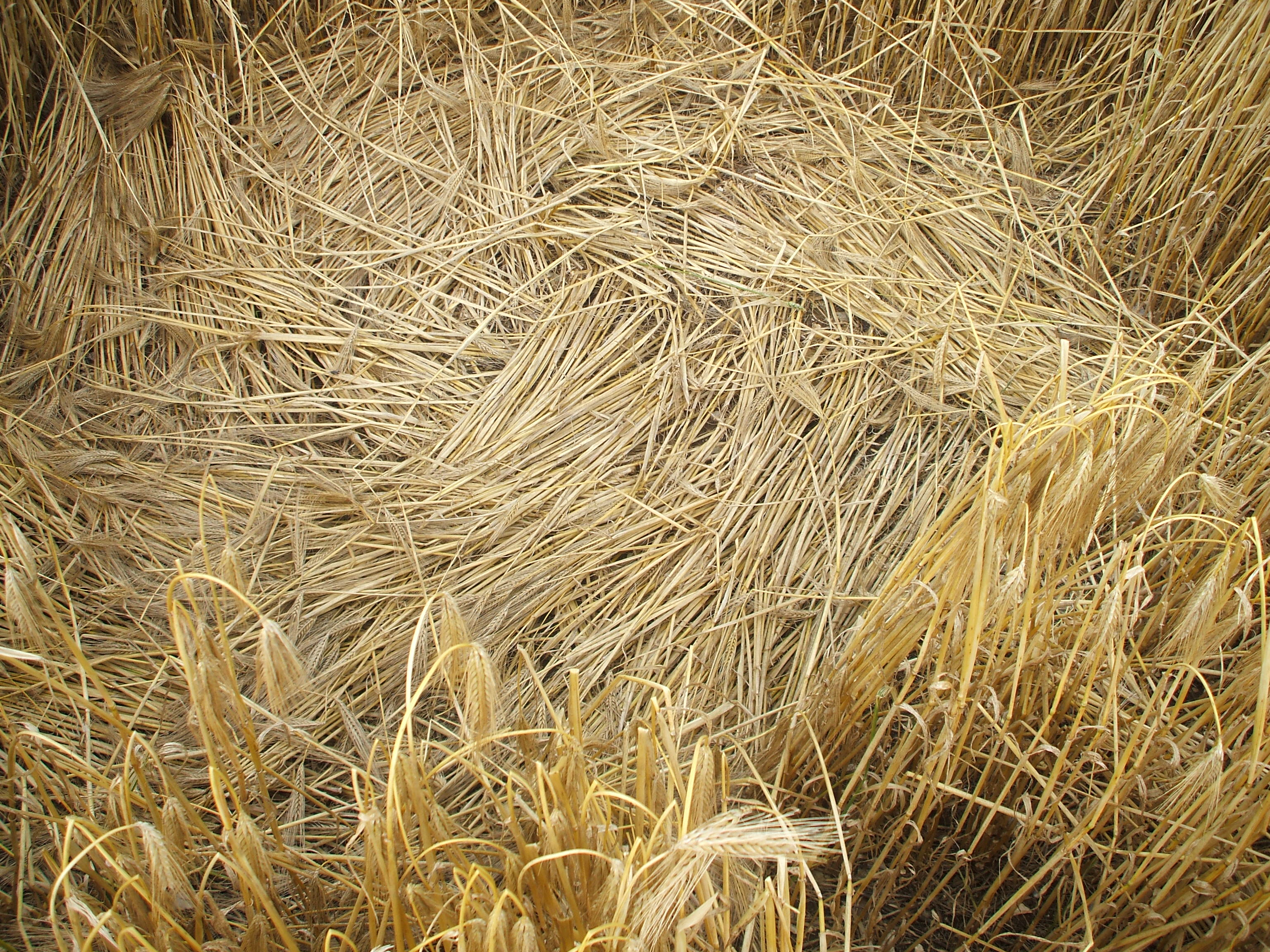
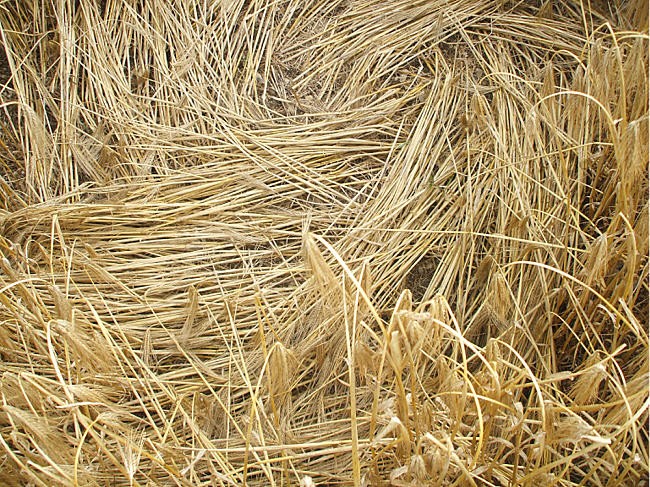
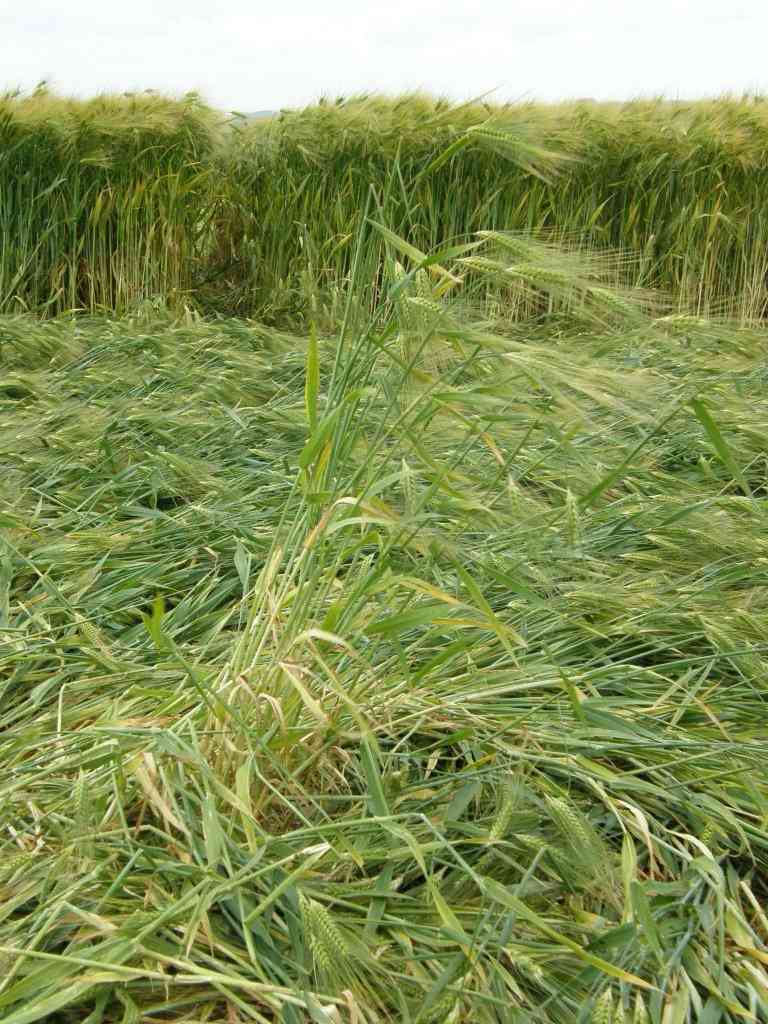
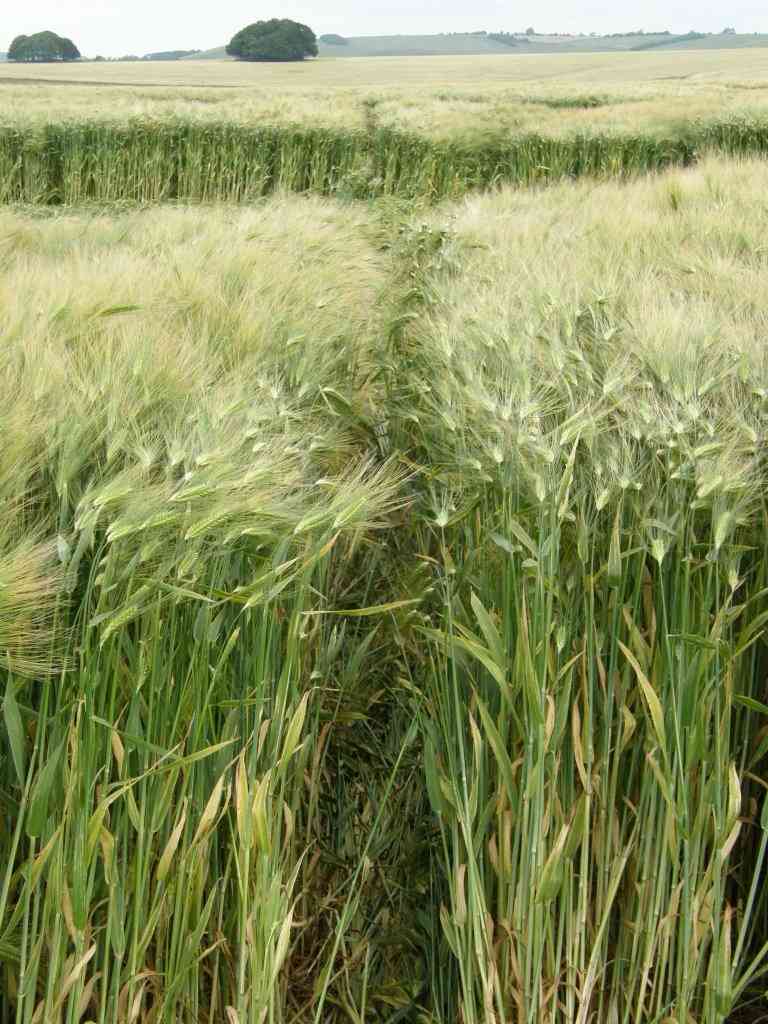
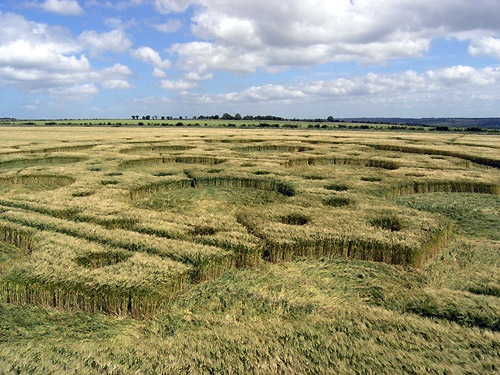
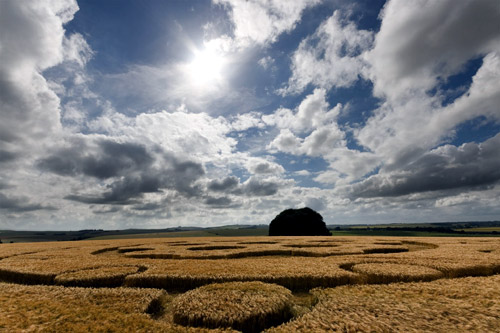
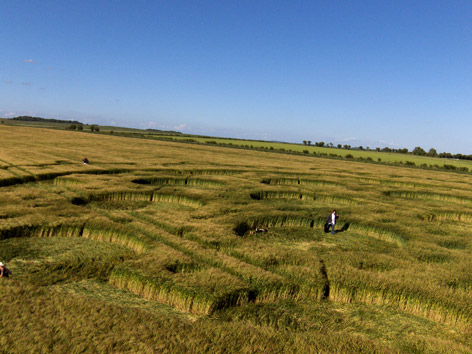
This is the formation beside the Ridge Way
more beautiful than ever with the ripe crop. This may be
harvested soon. I just loved it, the feeling in there is very
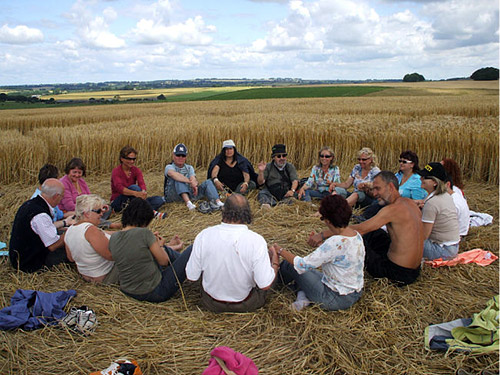
tranquil and sleepy. I think it is stunning. There was a group
in the formation from Spain, they were really enjoying the
experience. I was pleased to find that the formation was in such
good condition with so many visitors.
Michael Murray |

http://www.cropcircle-archive.com
|
Click on thumbnails to enlarge
Image Craig Trelford
Copyright 2008
Images Nyako Nakar Copyright
2008
I thought this
would be interesting in regards to this particular crop circle.
The Shiva Nova experiment has many hidden aspects that
correspond with many of the crop circles. Please see
link.
Tom Lawless
|
|
This formation
strongly resembles a gasket. Gaskets are required in internal
combustion engines and for other uses. The meaning of the crop
circles is that gaskets will be diminishing in importance after
the comet strike, probably Comet B. The outer ring depicting the
coma, exhibits 24 small rings, a standard representation of gas
molecules, and perhaps an allusion to gasoline. So, an absence
of gaskets and gasoline implies that gasoline-powered vehicles
will be artificially declining after the comet impact, perhaps
to be replaced by electric vehicles. Also, petroleum supplies
may be permanently disrupted by the strike to accelerate the
switch-over time to electric vehicles.
Ken Heck |
|
Location: |
The Ridgeway, nr Avebury, Wiltshire. |
| Map: |
|
| Crop: |
Barley? |
| Description: |
If anyone is a member of crop circle
connector can they please let them know there is a new crop circle
on top of the ridgeway about a quarter of a mile off the road from
the Silbury side just left of the actual path. I think it appeared
on Sunday the 15th ,thanks. |
| Discovery: |
Reported 15th June. |
| Name: |
N/A |
| Status: |
Waiting for a field report |
| AERIAL SHOTS |
GROUND SHOTS |
DIAGRAMS |
FIELD REPORTS |
ARTICLES |
|
|

BACK |

Mark Fussell & Stuart Dike |
|
 |