|
|
|
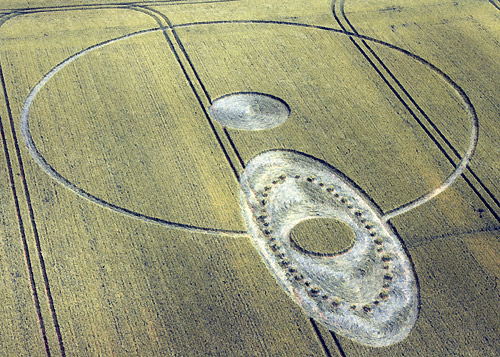
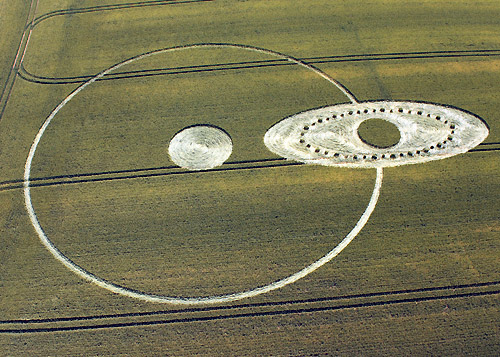
East Kennett, nr Avebury, Wiltshire. Reported 8th July.
Map Ref:
Updated Tuesday 21st October 2008 |
|
| AERIAL SHOTS |
GROUND SHOTS |
DIAGRAMS |
FIELD REPORTS |
ARTICLES |
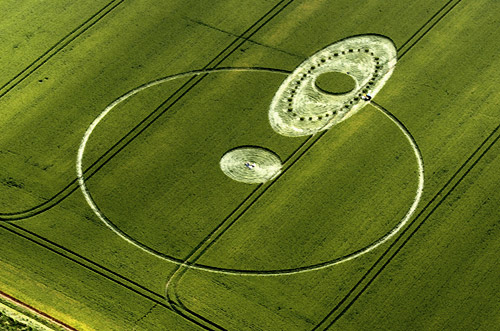
Image Nick Nicholson Copyright 2008
Images Gary King -
WCCSG Copyright 2008
Copyright -
www.temporarytemples.co.uk 2008
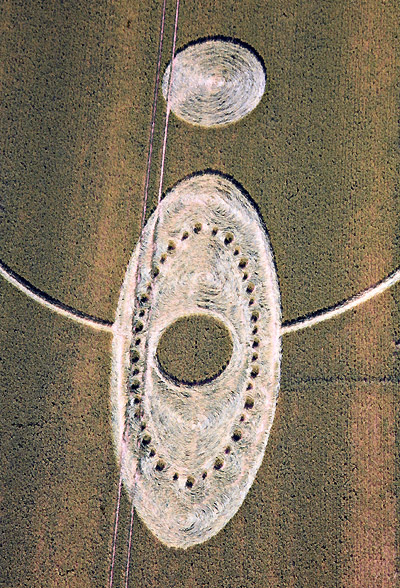
Image Lucy
Pringle Copyright 2008


Click on thumbnails to enlarge
Images
Janet Ossebaard Copyright
2007
http://www.kornkreise-forschung.de
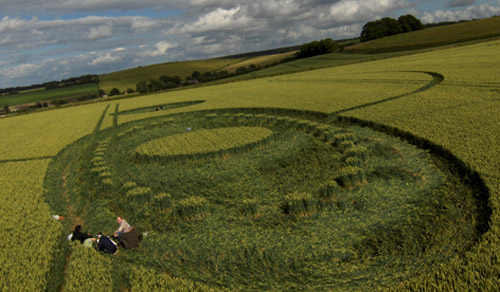
East Kennett of July 7-8, 2008
shows "forty days or two Mayan months" until a near-total lunar
eclipse on August 16, 2008
There will be a near-total 81%
lunar eclipse late in the evening on August 16, 2008 (see
HERE
or
HERE). A new crop picture from East Kennett seems to be
reminding us of that event with considerable simplicity:
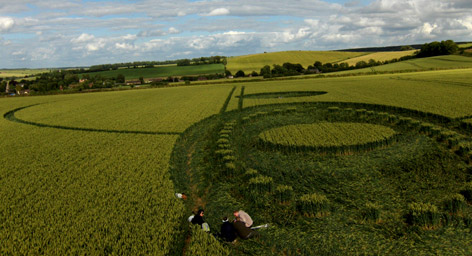
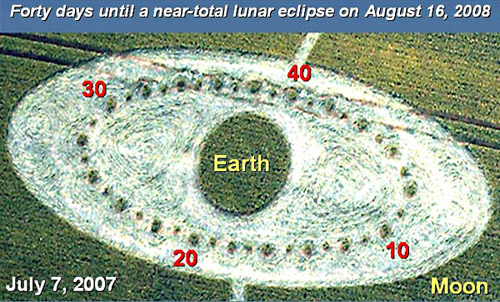
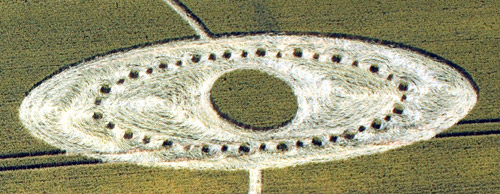
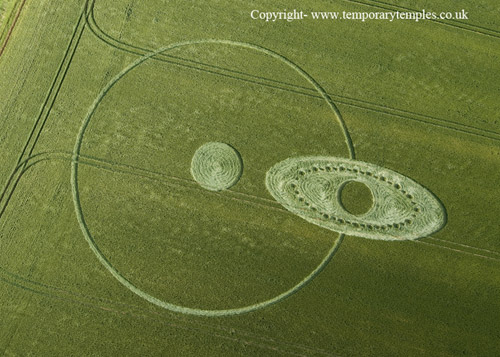
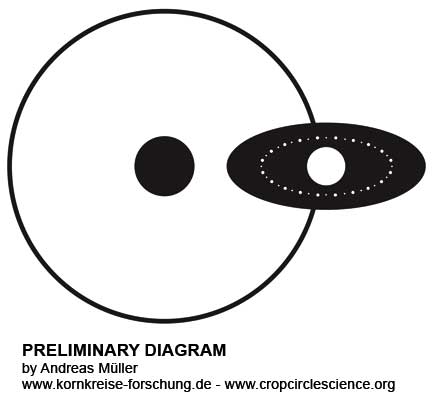
Surrounding a standing circle for
Earth, we can see forty small symbols in pairs
(large-small-large-small) that clearly suggest 2 x 20 = 40 days
until a near-total lunar eclipse on August 16, 2008:
Astronomical
details of that eclipse are shown below:
The most
remarkable feature of this new crop picture is that it
chooses to use a time symbolism of "2 x 20 = 40 days"
until the lunar eclipse in mid-August. Many other crop
pictures over the past few weeks have shown Mayan themes,
for example in Germany. Since the Mayans kept 20
days in any month, as opposed to 30 days for
most Western calendars, then one implication of this new
picture might be that the crop artists follow a Mayan
calendar rather than a Western one (see
HERE or
HERE).
RED COLLIE |
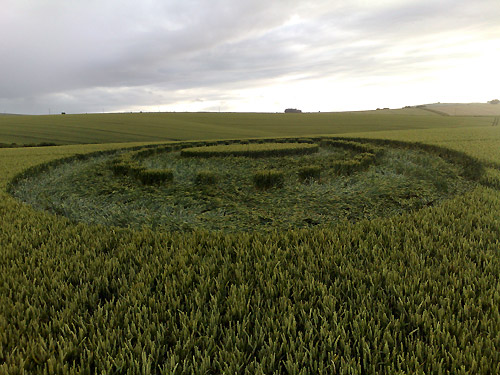
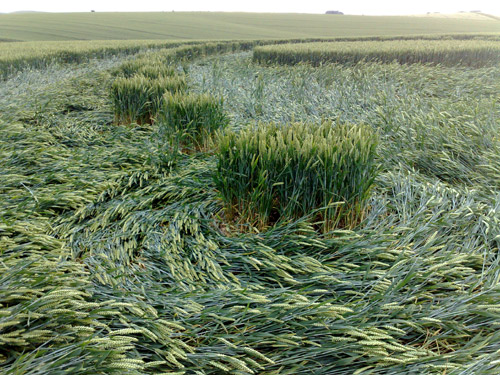
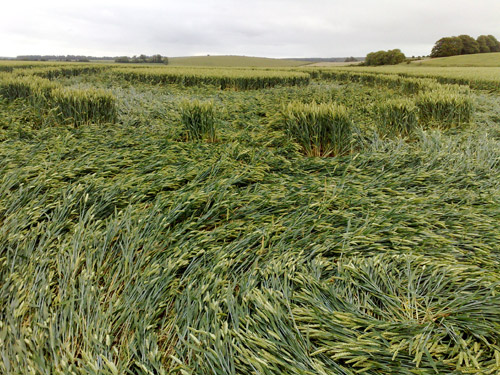
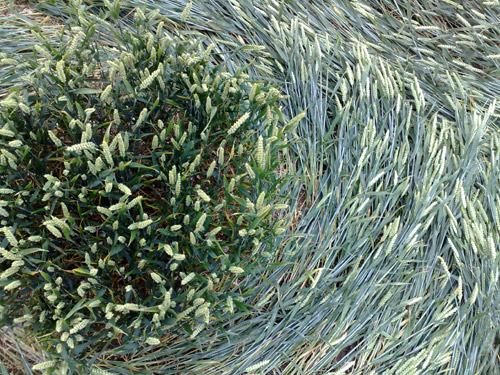
Click on thumbnails to enlarge
Images
Charles Mallett Copyright 2008
|
East Kennett 09/07/08
REPORT:
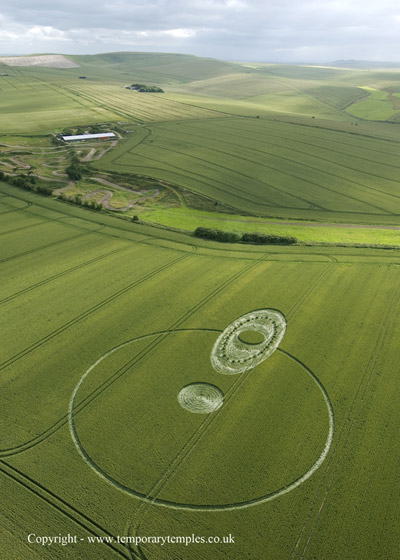
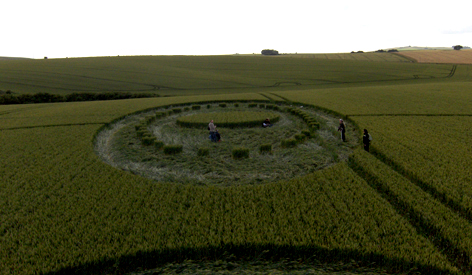
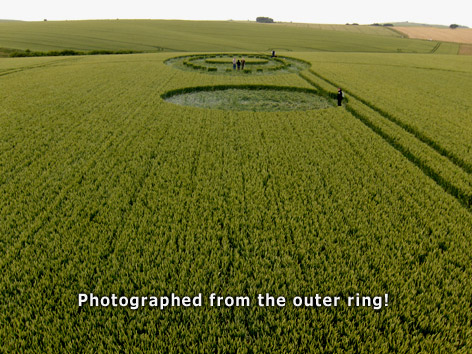
This glyph was first observed (from the air) late
morning July 7th 2008. The circle can not be seen from
any immediate vantage points on the ground.
The Circle spans across approximately 310ft of
young wheat. The weather in the region for the presumed arrival date
(06/07/08) of the glyph was consistently volatile with much heavy
rain between very short spells of British Summer.
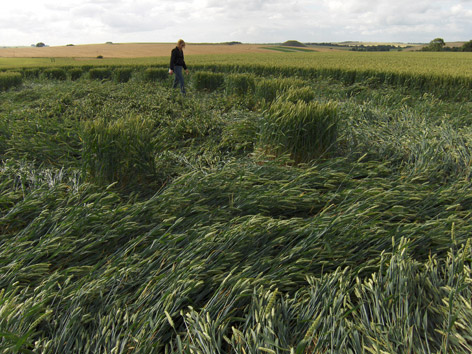
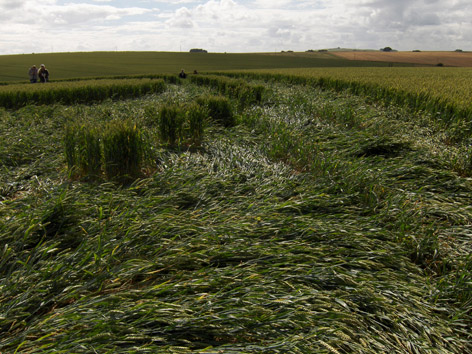
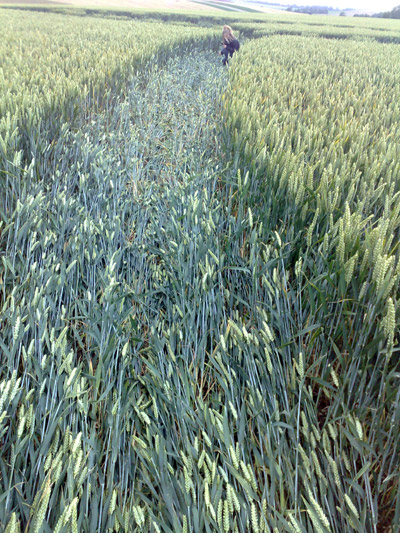
On the ground the glyph looked as if had been
there for around a day or so, according to phototropic indicators.
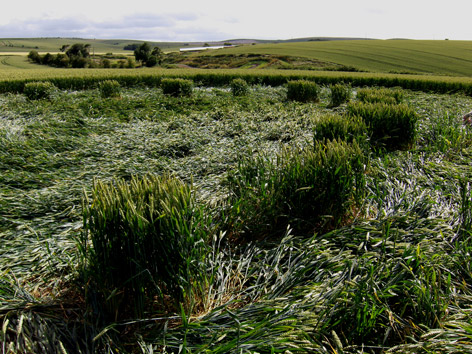
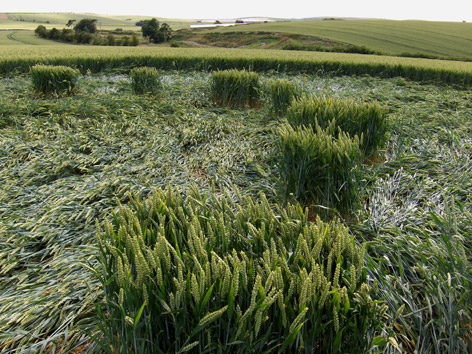
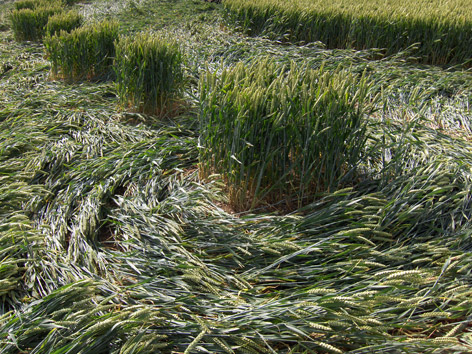
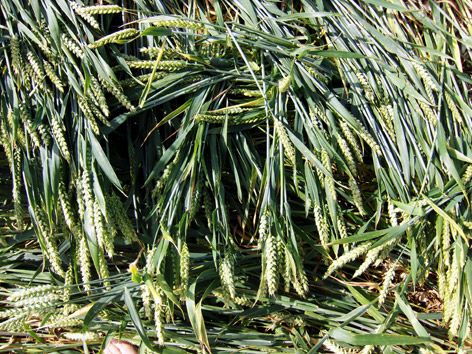
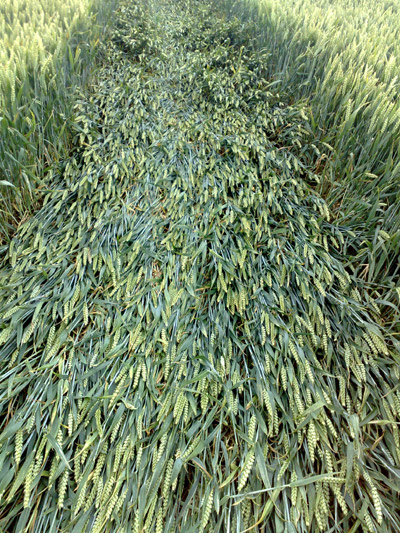
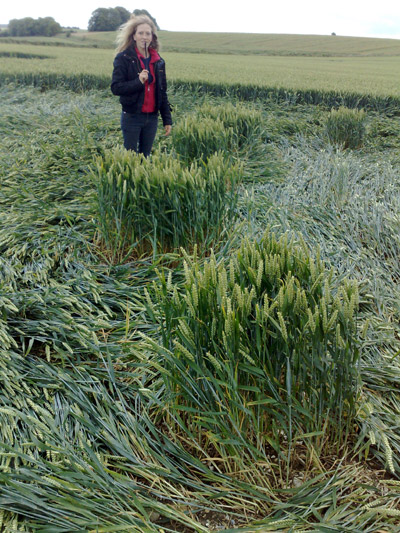
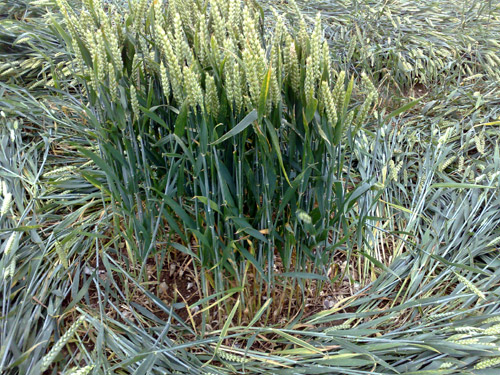
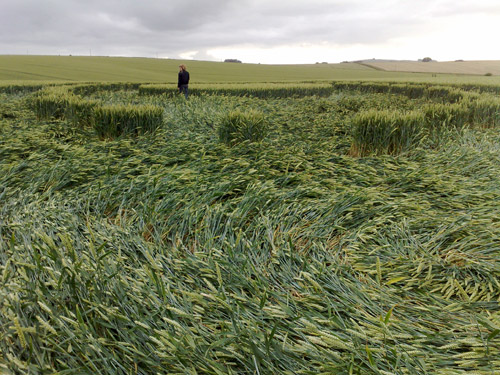
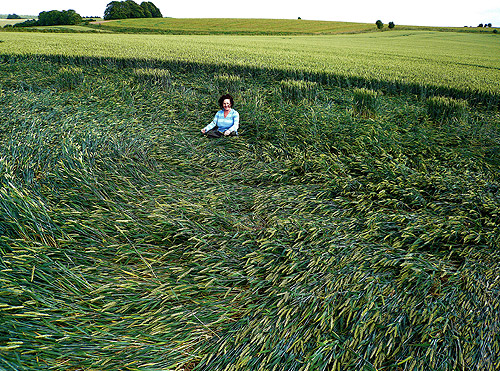
The laid crop areas of the circle are noteworthy, being laid out in
a curious weave of multi directional flows. The 40 various size
standing blocks of the elliptical element were very well defined
with the wheat moving around them in a chaotic fashion with some
elegance. The large arc of the formation was also considered
noteworthy, due to the very light crop lay along the edges of this
particular area, whilst the central area of the ring was very flat,
but largely un-broken, as if a spherical something had rolled around
as part of the delivery “mechanism” here.
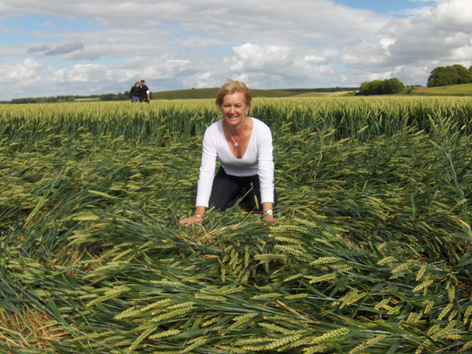
Physical damage to the laid wheat was noted as
minimal in most areas that were closely examined. The impression was
that around a dozen people had visited the formation prior to the
Silent Circle. All noted damage was consistent with same day regular
visitor/ researcher activities.
Charles Mallett |
Click on thumbnails to enlarge
Images Patty Greer Copyright 2008
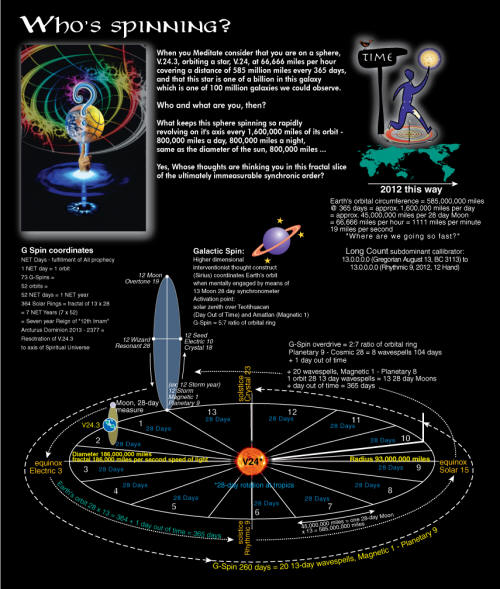
Click on Thumbnail to enlarge
Credit
www.lawoftime.org
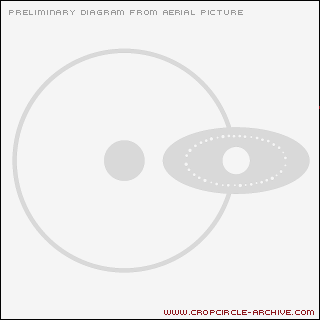
Diagram
Bertold Zugelder Copyright 2008
This realistic crop circle shows a comet headed toward the
impact area at the centre of the large ring. Surrounding the
hot comet (it is also depicted as a ring) are dust and many
small pieces or fragments. In fact, these may begin to
fall even before the comet actually strikes, according to
some visionaries (Veronica Leuken, for example). The large
fragments trailing the comet aren't shown here. Although
this formation could apply to any of the first five comets,
it probably refers to Comet B in particular.
Ken Heck
|
| AERIAL SHOTS |
GROUND SHOTS |
DIAGRAMS |
FIELD REPORTS |
ARTICLES |
|
|

BACK |

Mark Fussell & Stuart Dike |
|
 |